





The Seed Award is a targeted package of support, including coaching sessions and a small bursary to enable artists to research and develop a particular project or take the next step in their creative journey.
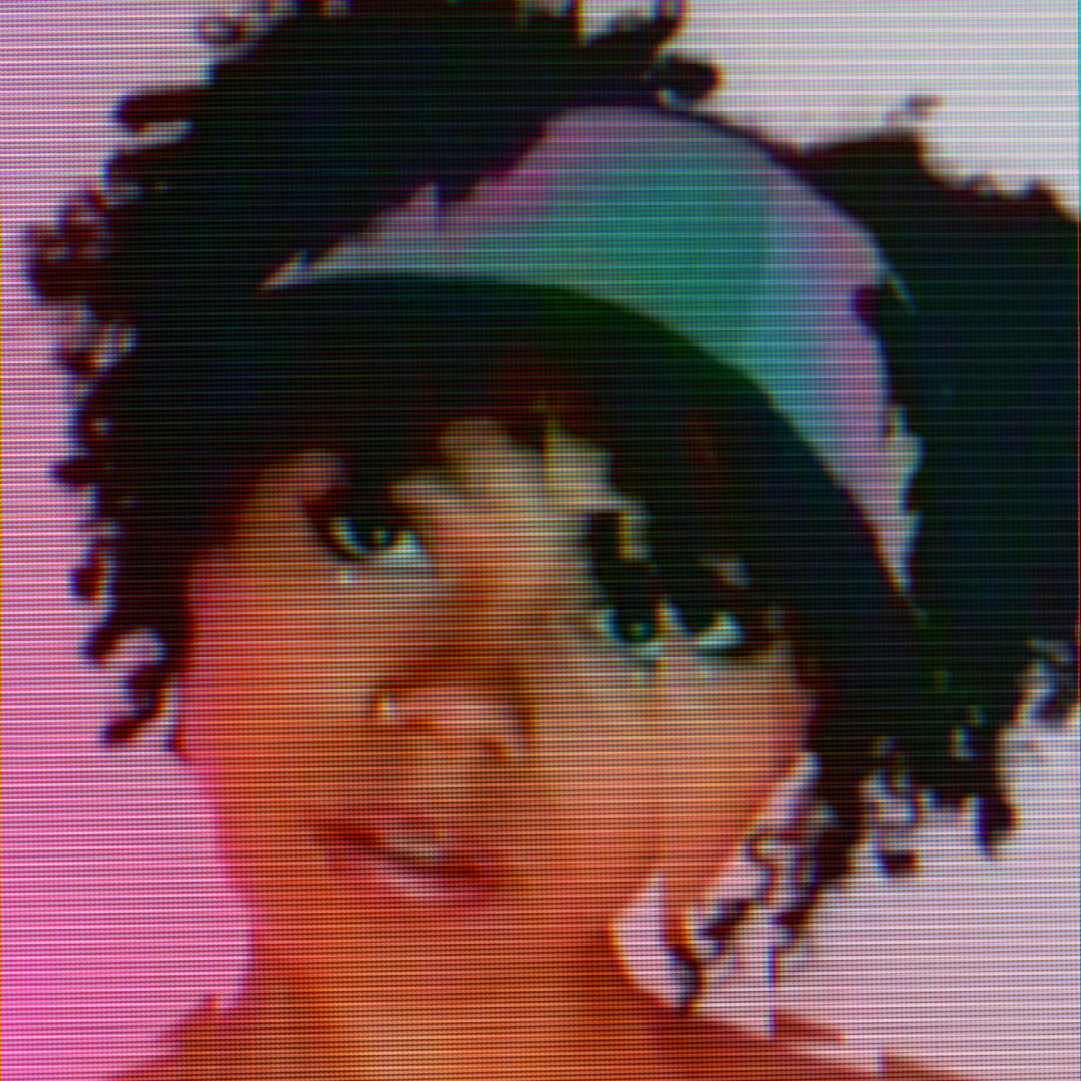
In this Q&A, we speak to Seed Award 2025 winner Angélica Allen, who crafts dreamy yet danceable experimental pop with her project ‘my midnight heart’. Combining ethereal harmonies, hypnotic drums, and surreal soundscapes, she self-produces alt-R&B that is as reminiscent of pre-internet Janet Jackson as it is Kate Bush.
What role does technology or experimentation play in your composition process?
I see technology as a muse and an important tool to help artists bring their creative ideas up from the subconscious to the surface where these ideas can be further refined. I see my computer as the most powerful tool to help me bring my ideas to life and am completely opposed to the idea that “drum machines have no soul”. Everything you touch as an artist, you imbue with your essence; your sonic fingerprint. If the drum machine had no soul it’s because you didn’t give it any.
I utilise tech throughout my work and find it vital to ground and complement the inherent organic quality of my voice. The juxtaposition of digital vs organic gives my work duality, contrast, and weight that otherwise wouldn’t exist. I also think it’s important for me to showcase my use and encouragement of music tech as less than 1% of music producers are Black women. Hopefully through my work I can show to others that music tech has a place in each songwriter’s setup and can help unlock the potential we all already have.
Has your background, identity or environment influenced your sound or practice in any particular ways?
I still find motherhood to be the most influential environment I’ve ever experienced and think mother-artists are still greatly overlooked and unheralded. It’s impossible to go through such an intense and immediate identity shift without it greatly impacting your work, let alone the new time constraints, sleeplessness, and physicality of new motherhood.
I struggled greatly as a new mother to find my footing as an artist (and still do). But humans are so incredibly adaptable and you learn to find expansiveness in micro-moments — to stretch and bend the time you do have. To make things under the harshest deadline of the literal survival of someone else. To determine without even actively thinking about it what matters and what doesn’t (in your life and in your work). Motherhood has changed the way I work probably forever and I’m better for the immense pressure it’s placed on me to be truly unapologetic.
What’s your relationship with improvisation, and how does it shape your work?
I think improvisation is key to breaking out of our creative loops and the key to avoiding burnout as a composer. By actively seeking out that creative flow state, we simultaneously flex muscles that can become weak and give our mind a mental break from the “thinking” aspect of making music.
By just falling into the body and “doing”, I immediately am able to walk down new creative paths and feel such an exhilaration from doing so that I try to schedule it in weekly at the very least. When I’m producing music, I find it really easy to get stuck rehashing the same ideas, but when I’m just singing or playing, all those walls disappear. That freedom is crucial for maintaining my mental health as an artist. Taking time to actively seek out that joy creates so much more space for me to make music during the time I set aside in the studio. It’s integral to anything else I make even if it’s not sonically related. Improvisation is my favourite form of meditation.
Sound and Music is a PRS Foundation Talent Development Network Partner supported by PPL.
The Seed Award is made possible with the generous support of Arts Council England, Jerwood Developing Artists Fund, The Garrick Charitable Trust, Creative Scotland National Lottery and PRS Foundation.
